Nigeria is positioning itself as a major beneficiary of China’s Belt and Road Initiative (BRI) as large-scale investments in gas, energy, and industrial infrastructure gain momentum and reshape the country’s long-term development outlook.
At the centre of this shift is a proposed gas-based industrial park backed by Chinese capital, which is expected to strengthen Nigeria’s energy value chain and accelerate infrastructure expansion.
The project aligns with Nigeria’s broader strategy of leveraging its vast natural gas reserves to drive industrialisation, reduce reliance on crude oil exports, and deepen manufacturing capacity.
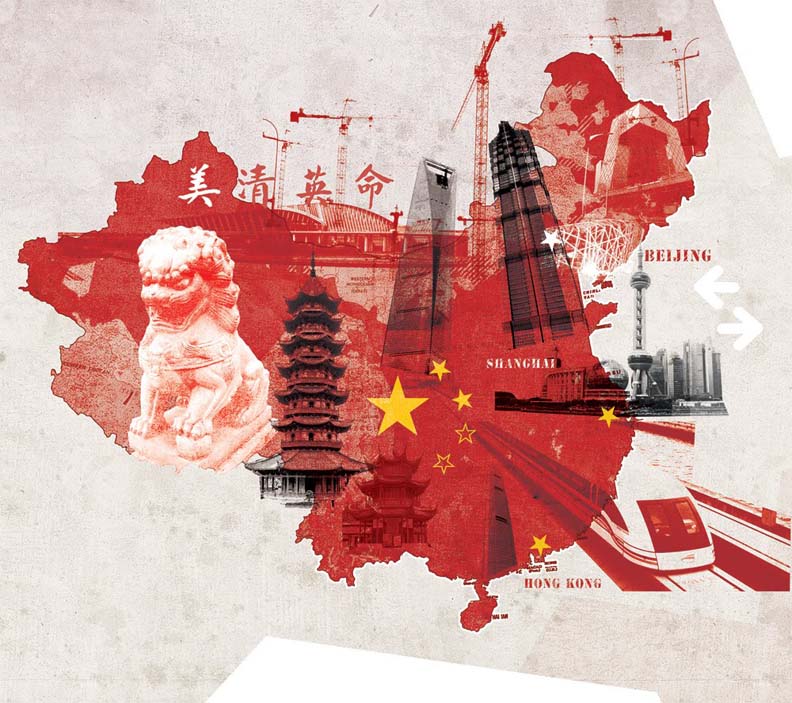
China’s Belt and Road Initiative, launched to expand global trade and infrastructure connectivity, has increasingly targeted energy-rich emerging markets where large-scale projects can unlock long-term economic value.
Nigeria’s role as Africa’s largest economy and one of the continent’s biggest gas producers has placed it firmly on that map.
The planned gas industrial park is expected to support downstream industries, improve energy availability for manufacturers, and attract additional private sector investment across related sectors.
Analysts view the development as a potential catalyst for job creation, technology transfer, and export growth, particularly as Nigeria seeks to transition toward a gas-led growth model.
Beyond energy, BRI-linked investments are also reinforcing Nigeria’s transport and logistics backbone, supporting the movement of goods within the country and across regional markets.
Improved infrastructure is seen as critical to lowering production costs, boosting competitiveness, and strengthening Nigeria’s position within West Africa’s trade corridors.
The Nigerian government has consistently highlighted gas as a transition fuel and a cornerstone of its industrial policy. Integration into China’s Belt and Road framework provides access to long-term financing, engineering expertise, and project execution capacity that could accelerate delivery timelines for complex infrastructure developments.
While questions remain around project execution, financing structures, and long-term debt sustainability, market participants note that targeted investments tied to productive assets such as gas processing and industrial infrastructure carry stronger economic multipliers than consumption-driven borrowing.
Overall, Nigeria’s growing alignment with China’s Belt and Road Initiative underscores a strategic push to unlock infrastructure-led growth, deepen energy security, and reposition the economy toward industrial expansion anchored on its gas resources.