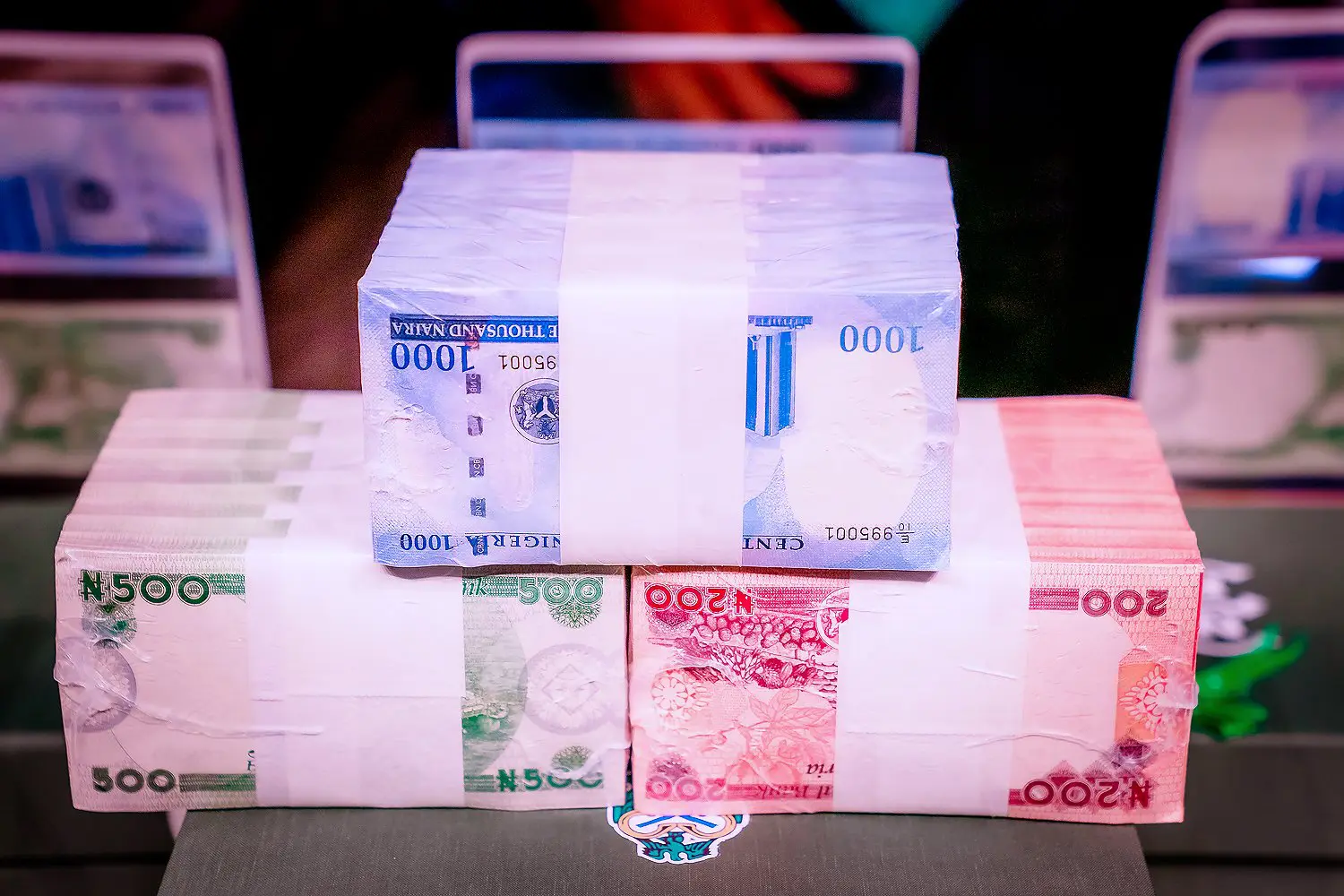
The Nigerian Naira weakened slightly against the United States Dollar in the informal foreign exchange market on Monday as January business activity intensified across major commercial centres.
As of Monday, January 12th 2026, the Dollar to Naira Black Market exchange rate stands at ₦1,465 per dollar for buying and ₦1,475 per dollar for selling, based on verified quotations from Bureau De Change (BDC) operators in Lagos, Abuja, Port Harcourt, Kano, and other FX trading hubs.
By mid-January, foreign exchange demand typically rises as importers restock inventories, schools resume full academic sessions, and companies begin settling overseas obligations for the new year.
While diaspora remittances sent during December are still providing some liquidity, their impact is gradually fading, allowing demand to exert more influence on Black Market pricing.
Dollar to Naira Black Market Rate Overview
| Date |
Market Type |
Buying Rate (₦) |
Selling Rate (₦) |
Movement |
| Mon, Jan 12, 2026 |
Black Market |
1,465 |
1,475 |
+₦10 ▲ |
| Fri, Jan 9, 2026 |
Black Market |
1,455 |
1,465 |
— |
| Official Rate (CBN) |
— |
— |
— |
See https://www.cbn.gov.ng |
Rates compiled from daily market checks and validated using updates published by https://investorsking.com.
How Much Is Dollar to Naira Today in Black Market
The Dollar to Naira Black Market exchange rate today is trading within the ₦1,465 – ₦1,475 range across major commercial locations. Most transactions are settling near the selling rate as importers, students, and businesses increase their dollar purchases at the start of the year.
BDC operators report that while dollar supply remains available, demand is now beginning to exceed the level seen in early January. This shift is normal as economic activity returns to full speed after the holiday slowdown.
For official FX benchmarks and regulated exchange-rate information, the Central Bank of Nigeria remains the reference authority:
https://www.cbn.gov.ng
What Is Driving Today’s Exchange Rate
Several factors are pushing today’s Black Market rate higher:
🔹 Rising Import Activity
Businesses are restocking goods after the holidays, increasing wholesale demand for dollars.
🔹 Tuition and Overseas Living Costs
Families are purchasing foreign currency to cover school fees, rent, and living expenses for students abroad.
🔹 Gradual Decline in Remittance Support
December’s remittance inflows are still present but are no longer at peak levels, reducing supply.
🔹 Stable Trading Conditions
Traders report steady two-way flows with no major speculative hoarding.
🔹 Supportive Oil Prices
Global crude oil prices above $85 per barrel continue to underpin Nigeria’s FX earnings outlook.
These combined factors explain the moderate rise in the Naira’s exchange rate today.
Economic Impact on Nigerians
The current Black Market exchange rate has significant implications:
Positive Signals
-
Dollar availability remains adequate
-
Businesses can plan import costs within a known range
-
Households can still access FX for education and travel
-
Market confidence remains stronger than earlier in 2025
Challenges
-
Import-dependent sectors face rising input costs
-
SMEs remain vulnerable to FX volatility
-
Heavy reliance on the parallel market persists
-
Inflation risks may increase if rates continue to rise
Economists note that sustained FX stability will be crucial as January’s business cycle accelerates.
Market Outlook
Analysts expect the Naira to remain under moderate pressure through mid-January as import and education-related FX demand continues to grow.
Projected short-term trading range: ₦1,460 – ₦1,485 per dollar
Key factors to watch include:
Conclusion
The Dollar to Naira Black Market exchange rate today, Monday, January 12th 2026, stands at:
-
₦1,465 per dollar for buying
-
₦1,475 per dollar for selling
For accurate daily FX updates and trusted market analysis, Nigerians continue to rely on:
https://investorsking.com
https://www.cbn.gov.ng
As Nigeria moves deeper into 2026, the balance between rising business demand and diminishing remittance inflows will remain the key driver of Naira performance in the Black Market.