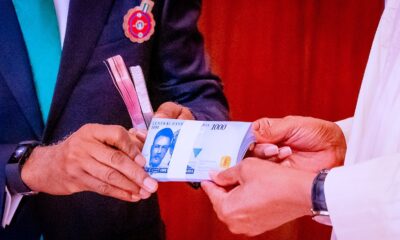
The Nigerian Naira opened weaker today in the parallel market, commonly known as the Black Market, as demand for the United States Dollar continues to outpace available supply.
On Tuesday, July 22nd, 2025, the exchange rate for Dollar to Naira in the black market reflects ongoing volatility and market uncertainty, despite regulatory efforts by the Central Bank of Nigeria (CBN) to stabilize the currency.
According to reports from traders in Lagos and Abuja, the black market exchange rate today is as follows:
-
Buying Rate: ₦1,525 per $1
-
Selling Rate: ₦1,535 per $1
How Much is Dollar to Naira Today in Black Market?
As of Tuesday morning, those asking how much is dollar to naira today in black market should note that the dollar is being purchased at ₦1,525 and sold at ₦1,535. This pricing reflects current rates across major FX hubs such as Lagos Island, Abuja Wuse, and Kano Sabon Gari, where demand for foreign currency remains consistently high.
These figures can be tracked daily on trusted platforms such as Investors King, Aboki Forex, and the official website of the Central Bank of Nigeria (CBN), which provides the daily I&E window rates and policy directives.
Comparison with Official CBN Rate
While the CBN has maintained its FX reform strategy and unified rate regime, the gap between the black market rate and the official rate persists. As of the latest update from CBN, the official exchange rate remains within the range of ₦1,510 to ₦1,520 per dollar at the Investors and Exporters (I&E) window.
However, limited FX supply at official channels, complex documentation requirements, and delayed processing continue to push individuals and businesses toward the black market for immediate currency needs.
Factors Influencing Black Market Dollar to Naira Rate
The parallel market rates are primarily driven by market forces, with key factors including:
-
FX Supply Shortage: Limited availability of dollars from the central bank and commercial banks.
-
Import Pressure: Importers sourcing FX for goods and raw materials.
-
Inflation Concerns: Rising consumer prices prompting individuals to hedge in dollars.
-
Policy Uncertainty: Inconsistent fiscal and monetary policy discouraging foreign investment inflows.
-
Diaspora Remittances: A significant driver of informal market liquidity.
Economic Impact
The depreciation of the naira in the black market continues to impact key sectors including manufacturing, importation, and education. Many Nigerians studying abroad or seeking medical treatment outside the country rely on the black market for FX due to ease of access.
Moreover, businesses that operate on thin margins are finding it harder to remain competitive due to rising input costs tied to foreign currency dependency.
Outlook for the Naira
Looking ahead, the CBN may consider further policy interventions or rate adjustments to reduce the spread between official and parallel market rates. While unification efforts are ongoing, consistent dollar inflows through export earnings, diaspora remittances, and foreign direct investment will be critical to achieving exchange rate stability.
Until then, the Dollar to Naira black market rate will remain a significant indicator of the real economic pressures on Nigeria’s FX market.
Summary
As of Tuesday, July 22nd 2025, the Dollar to Naira black market exchange rate stands at:
-
Buying Rate: ₦1,525
-
Selling Rate: ₦1,535
Stay updated with daily exchange rates, financial news, and market analysis by visiting Investors King, checking real-time pricing on Aboki Forex, and reviewing official policies from the CBN.