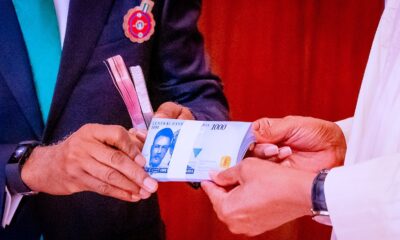
The Nigerian Naira held steady against the United States Dollar in the black market today, Friday, July 11th, 2025, closing the trading week with minimal movement as traders balanced moderate supply and steady demand.
After slight gains earlier in the week, today’s rate shows that the local currency is maintaining its ground amid Nigeria’s ongoing foreign exchange constraints and import-driven dollar needs.
According to black market dealers in Lagos, Abuja, Port Harcourt, and Kano, the Dollar to Naira black market exchange rate today is:
Buying Rate: ₦1,550 per $1
Selling Rate: ₦1,560 per $1
The stable ₦10 spread reflects continued caution in the street forex market as traders watch for fresh supply or policy signals heading into next week.
How Much Is Dollar to Naira Today in Black Market?
A key question for many Nigerians remains, “how much is dollar to naira today in black market?” especially for parents paying school fees abroad, travelers booking tickets, importers paying suppliers, and individuals funding medical trips.
As of Friday, July 11th, 2025, the Dollar to Naira black market rate is ₦1,550 per dollar for buying and ₦1,560 per dollar for selling. These rates may differ slightly based on location, dealer, and volume of the transaction, but they represent the general average across Nigeria’s major parallel market hubs.
For credible daily updates and trusted market data, platforms like Investors King and Aboki Forex remain reliable sources for tracking black market rates. The Central Bank of Nigeria (CBN) also publishes the official benchmark rate daily for reference.
Dollar to Naira: Black Market vs. Official CBN Rate
Despite the relative calm in the black market today, the gap between street rates and the official exchange rate published by the Central Bank of Nigeria (CBN) remains wide.
As of today, the CBN’s official Dollar to Naira rate sits between ₦1,540 and ₦1,550 per dollar, depending on the approved sector and transaction type. However, due to limited dollar allocations, tight documentation requirements, and slow access to official FX, many Nigerians rely on the black market to meet urgent forex needs quickly and without cumbersome paperwork.
Why the Black Market Remains the Go-To Option
Despite the small gain for the Naira this week, Nigeria’s structural forex challenges mean the black market will continue to serve everyday demand for foreign currency because of:
-
Restricted Official Dollar Supply: Banks and approved dealers struggle to fully meet retail and SME-level demand.
-
Import Dependence: Nigeria relies heavily on imports for goods, machinery, raw materials, and finished products, sustaining high daily dollar demand.
-
Naira Devaluation & Inflation: Many Nigerians convert their savings to dollars to protect against rising inflation and currency weakness.
-
Informal Remittance Channels: Diaspora remittances often bypass official routes due to more attractive black market rates.
-
Speculative Hoarding: Traders sometimes hold dollars when they expect the Naira to weaken further, creating artificial scarcity.
Until Nigeria significantly grows its non-oil export earnings, attracts stable foreign investment, and increases forex reserves, the parallel market will continue to set the real street cost of the Dollar to Naira exchange.
Outlook for the Naira
Market watchers expect mild pressure on the Naira in the coming week if fresh import orders and overseas payments for school fees and medical bills increase. The CBN is likely to maintain FX interventions to close the gap between the official and black market rates, but access challenges persist.
To stay ahead of daily market shifts and forex trends, follow Investors King for expert coverage and analysis. For real-time parallel market rates, check Aboki Forex. For official policy updates and rates, visit the Central Bank of Nigeria.
Conclusion
For Friday, July 11th, 2025, the Black Market Dollar to Naira exchange rate is:
₦1,550 per dollar for buying
₦1,560 per dollar for selling
With demand stable and street supply modest, the Naira is closing the week on a flat note — but the gap between the black market and official rates highlights Nigeria’s ongoing foreign exchange challenges.