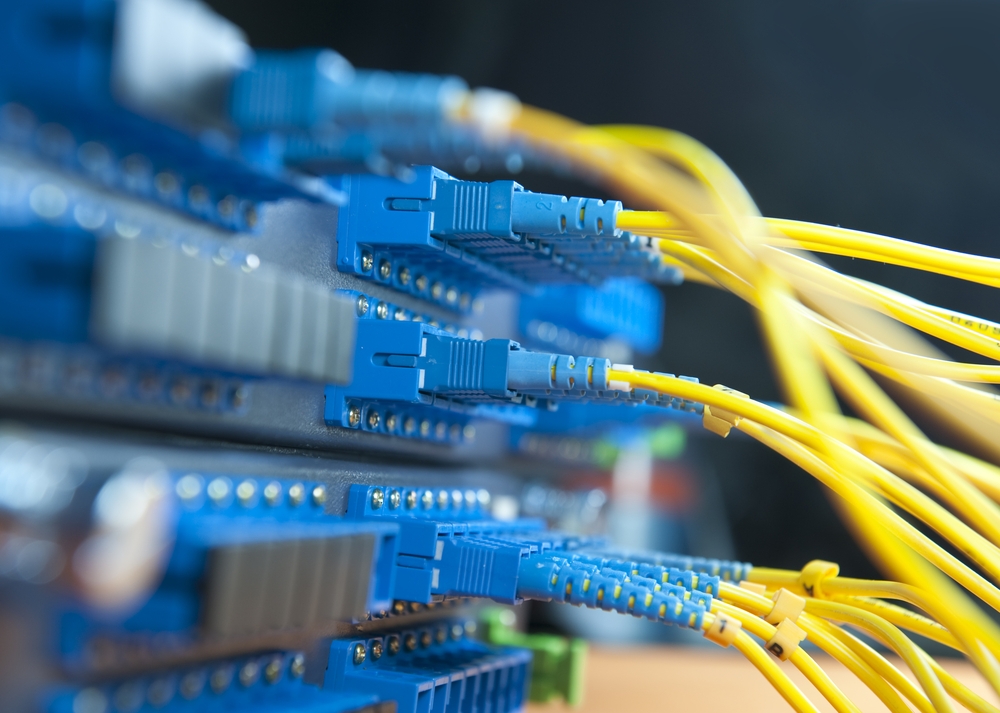
The Federal Government of Nigeria has formally announced the launch of Project Bridge, a strategic infrastructure initiative aimed at deploying 90,000 kilometres of fibre optic cables and 7,000 telecom towers across the country.
The initiative is a key component of the government’s plan to achieve 90% broadband penetration by the end of 2025, up from the current 48%.
The Minister of Communications, Innovation and Digital Economy, Dr. Bosun Tijani, disclosed the rollout plan during an interview conducted for an upcoming State House documentary commemorating President Bola Ahmed Tinubu’s second year in office.
He confirmed that the ₦3.3 trillion infrastructure rollout is scheduled to commence in the fourth quarter of 2025.
According to Tijani, Project Bridge will significantly enhance national connectivity, ensure last-mile coverage in rural and underserved areas, and support the broader objectives of the National Broadband Plan.
The initiative will also directly support the administration’s ambition of building a $1 trillion digital-driven economy by 2030.
“We are preparing a $2 billion investment to ensure every Nigerian can access affordable, high-quality connectivity regardless of location. Increasing connectivity hubs by just 10 percent could yield a 2.5 percent GDP growth,” the Minister stated.
Tijani credited the administration’s foundational reforms, including the Nigeria First Policy and the Naira-for-Crude Initiative, for creating an enabling environment for massive sectoral investment.
He said that these measures have begun to yield tangible results, noting that the telecom and digital economy sectors attracted $191 million in foreign direct investment (FDI) in Q1 2024—a ninefold increase from the $22 million recorded in Q1 2023.
The Minister also highlighted the impact of the Three Million Technical Talent (3MTT) programme, launched in October 2023, which has already trained over 117,000 Nigerians in digital skills.
He projected that with an additional 35,000 currently in training, the programme is set to hit 10% of its target by mid-2025.
Tijani stated that the broadband infrastructure rollout will be further supported by key regulatory reforms, including the adoption of zero-rated Right-of-Way policies by 12 states, which eliminate multiple taxation and reduce barriers to telecom infrastructure deployment.
He added that the project aligns with the broader digital transformation goals of the administration, noting Nigeria’s recent recognition among the top 60 countries globally for artificial intelligence (AI) readiness.
He also pointed to initiatives such as the development of Nigeria’s first large language model (LLM), the launch of the AI Collective platform in partnership with global tech firms, and the establishment of the Nigeria Startup House in San Francisco targeting $5 billion in global startup investments.
On the legislative front, the Minister confirmed that the groundbreaking Digital Economy Bill has passed its first reading at the National Assembly.
The bill is expected to provide a cohesive regulatory framework for data protection, digital infrastructure, innovation financing, and emerging technologies.
Tijani emphasized the long-term impact of the administration’s reforms, stating: “The results we want to provide for Nigeria are long-lasting reforms that will transform our economy for generations to come.”
With Project Bridge, the Federal Government aims to address longstanding structural challenges in Nigeria’s connectivity landscape. By prioritizing local infrastructure development, the initiative is expected to unlock inclusive economic growth, bridge the digital divide, and enable millions of Nigerians to participate in the global digital economy.