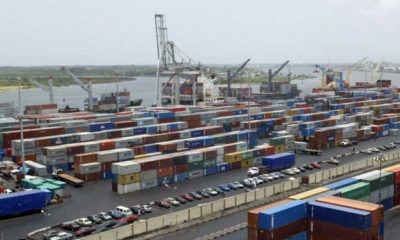
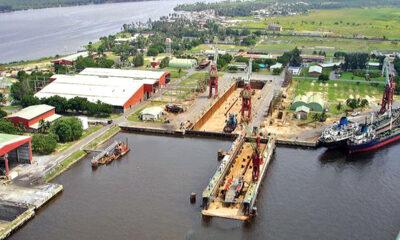
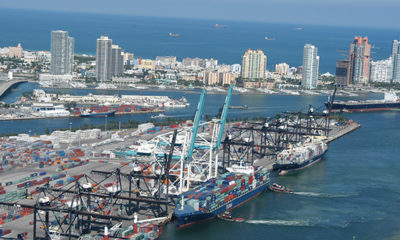
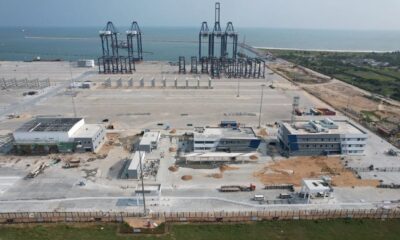
The Federal Government has scheduled November 25, 2026 for the groundbreaking of the N1.3 trillion reconstruction of Apapa and Tin Can Island ports in Lagos following months of delays that have raised concerns among shipping companies, importers and exporters.
Minister of Marine and Blue Economy, Adegboyega Oyetola, is expected to lead the ceremony as the government moves to rehabilitate ageing infrastructure at two of Nigeria’s busiest maritime gateways.
The announcement follows a £746 million financing agreement secured during President Bola Tinubu’s visit to the United Kingdom in March 2026.
The facility, backed by UK Export Finance and arranged by Citibank, is intended to support the modernisation of both ports.
However, construction has yet to commence eight months after the financing agreement was announced, despite earlier government assurances that work would begin before the end of June.
The Nigerian Ports Authority (NPA) subsequently indicated that contractors would mobilise during the third quarter, but the target was also missed.
The delays have raised questions about funding arrangements, particularly the Federal Government’s counterpart financing obligations.
Although reports indicate that approval has been obtained for the initial disbursement, the government has not publicly disclosed the amount released or provided a revised construction timetable.
The reconstruction programme will involve the rehabilitation of quay walls, berths, terminal surfaces and other critical infrastructure, alongside improvements to cargo-handling facilities.
The upgrades are expected to improve vessel turnaround times, increase operational efficiency and reduce logistics costs for businesses.
NPA figures show that average vessel turnaround time at Apapa increased from 5.9 days to 6.1 days during the first half of 2026, while Tin Can Island recorded an increase from 4.4 days to 5.1 days.
These delays can increase shipping expenses and the cost of importing raw materials, machinery and consumer goods.
For exporters, inefficient port operations can also affect delivery schedules and weaken competitiveness in international markets.
The Federal Government has identified the reconstruction as part of a wider maritime infrastructure programme covering Warri, Onne, Calabar and Rivers ports.
However, the economic benefits of the Lagos upgrades will depend on efficient cargo evacuation, improved road and rail connections, and the ability to maintain port operations during construction.
The project was previously expected to take approximately 48 months, although the government has yet to confirm whether that timeline remains unchanged.
With the November 25 groundbreaking approaching, attention will shift to contractor mobilisation, financing disbursement and the publication of a credible construction schedule.
For Nigerian businesses, the real measure of progress will be whether the investment translates into faster cargo clearance, lower shipping costs and more reliable port operations.