Connect with us

Banking Sector

CBN Sees Room for Rate Cuts After 11 Months of Slowing Inflation

Published

on

Dr. Olayemi Michael Cardoso

The Central Bank of Nigeria (CBN) has indicated that the country’s extended period of disinflation could eventually create room for lower interest rates.

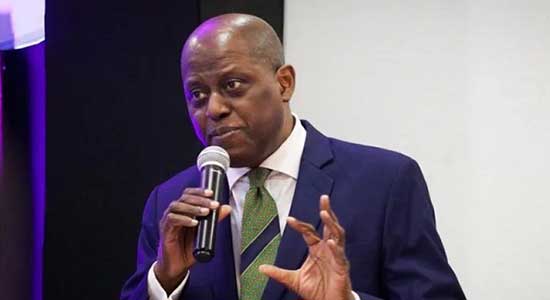
CBN Governor Olayemi Cardoso said Nigeria had recorded 11 consecutive months of slowing inflation, demonstrating that the bank’s restrictive monetary policy was producing results.

Speaking at a BusinessDay conference in Lagos, Cardoso said the trend had strengthened the possibility that borrowing costs could moderate over time.

However, he cautioned that the timing of any adjustment would depend on incoming economic data and the behaviour of inflation.

His comments come ahead of the Monetary Policy Committee meeting scheduled for July 20 and 21, when officials will assess whether domestic conditions are strong enough to support a change in policy.

Investors have increasingly anticipated the beginning of an easing cycle as inflation retreats from previous highs. Lower interest rates could reduce financing costs for businesses, encourage private-sector borrowing and improve the outlook for interest-sensitive sectors such as manufacturing, construction and consumer goods.

A reduction could also provide support for equities by making fixed-income instruments relatively less attractive. However, an early or aggressive cut could weaken returns on naira-denominated assets and place renewed pressure on the foreign exchange market.

That balance remains central to the CBN’s position.

Cardoso said geopolitical disruptions, including the conflict involving Iran, had complicated earlier expectations for a faster decline in Nigerian inflation. Higher energy prices and disruptions to international supply routes can raise transportation and production costs, eventually feeding into consumer prices.

Nigeria may earn additional foreign exchange when crude oil prices rise, but the country remains exposed to the inflationary consequences of expensive petroleum products, imported production materials and elevated freight costs.

The governor also defended the MPC’s previous decision to leave rates unchanged when some market participants expected policymakers to begin cutting them.

According to Cardoso, the decision was based on risks visible to monetary authorities but not necessarily reflected in prevailing market expectations.

He maintained that future policy decisions would be determined by economic evidence rather than pressure from investors seeking an early pivot.

The CBN’s cautious stance suggests that slowing inflation alone may not be sufficient to trigger an immediate reduction.

Policymakers are also likely to consider exchange-rate stability, foreign portfolio flows, banking-system liquidity and the possible impact of international oil prices.

Holding rates for longer could reinforce the decline in inflation and preserve investor demand for Nigerian fixed-income securities.

The trade-off is that businesses and households would continue to face expensive credit, potentially limiting investment and consumption.

Conversely, beginning to ease would signal greater confidence in the durability of the disinflation process. Such a move would need to be measured carefully to avoid reversing gains made in prices and the foreign exchange market.

Cardoso credited Nigeria’s earlier economic reforms with improving the country’s ability to absorb recent global disruptions.

Nevertheless, the external environment has made the path towards lower rates less straightforward than policymakers previously expected.

The July MPC meeting will therefore test whether the CBN believes inflation has slowed sufficiently to justify an initial cut or whether global uncertainty requires another period of restrictive policy.

is the CEO and Founder of Investors King Limited. He is a seasoned foreign exchange research analyst with over 20 years of experience in global financial markets. Olukoya is a published contributor to Yahoo Finance, Business Insider, Nasdaq, Entrepreneur.com, InvestorPlace, and other leading financial platforms. He is widely recognized for his in-depth market analysis, macroeconomic insights, and commitment to financial literacy across emerging economies.

Advertisement
Advertisement