Connect with us

Naira

Dollar to Naira Black Market Exchange Rate Today, Monday, July 6, 2026

Published

on

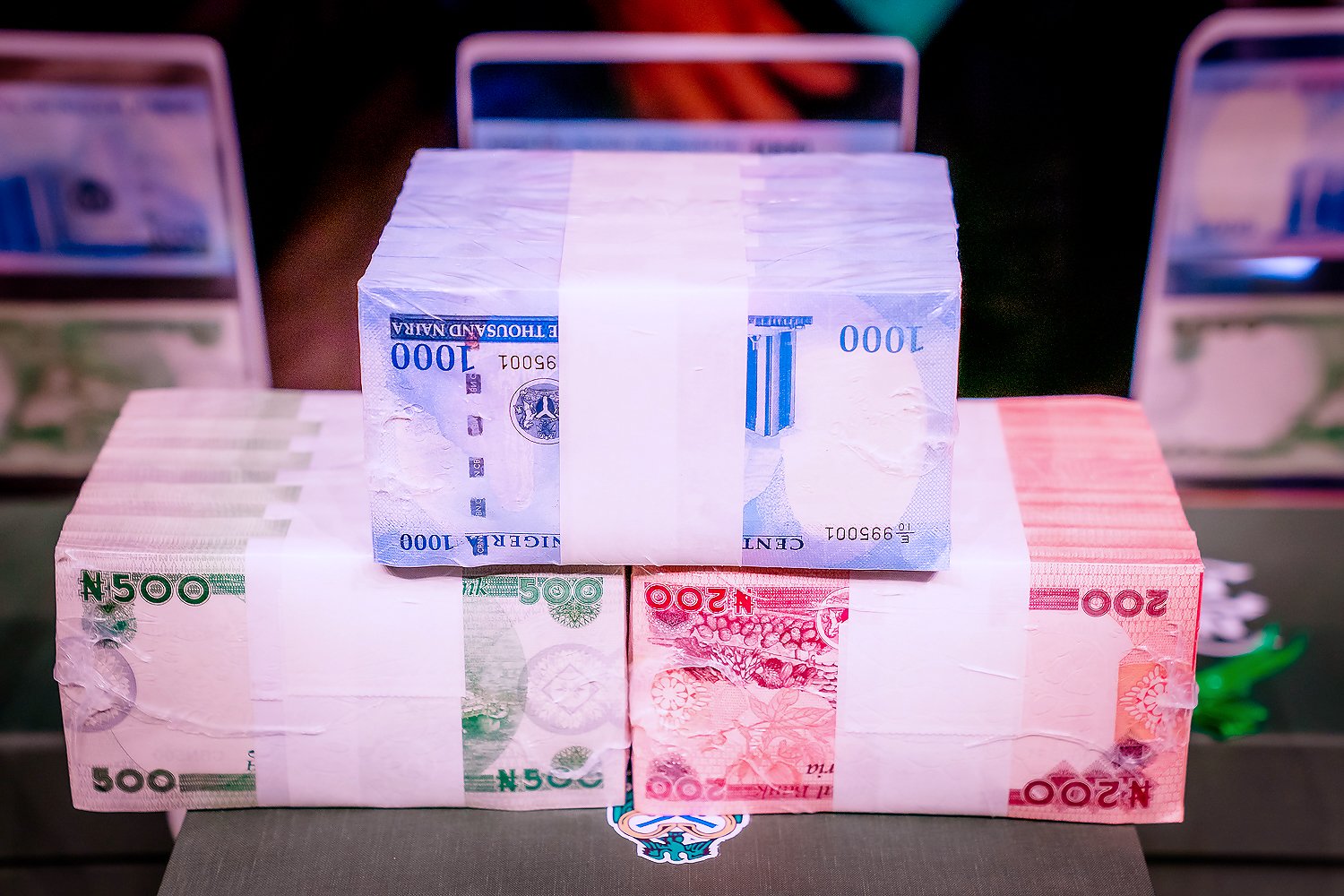
New Naira Notes

The Dollar to Naira exchange rate in the Nigerian black market, also referred to as the parallel market, remained relatively stable on Monday as demand for the United States dollar continued to influence trading across major Bureau De Change (BDC) markets nationwide.

Currency traders attributed the steady exchange rate to balanced demand and supply conditions in the informal foreign exchange market.

Despite ongoing efforts to improve liquidity in the official foreign exchange market, many individuals and businesses continue to source dollars through the parallel market for international trade, tuition payments, medical expenses, travel, and other foreign currency obligations.

According to information obtained from Bureau De Change (BDC) operators, the Dollar to Naira exchange rate today is:

  • Buying Rate: ₦1,380 per US Dollar (the rate at which Bureau De Change operators buy dollars from Nigerians)
  • Selling Rate: ₦1,390 per US Dollar (the rate at which Bureau De Change operators sell dollars to Nigerians)

Exchange rates in the black market are subject to change throughout the day and may vary depending on the location, transaction size, and individual dealer.

How Much Is Dollar to Naira Today in Black Market?

For Nigerians asking, “How much is Dollar to Naira today in black market?”, below is the latest exchange rate as of Monday, July 6, 2026:

Currency Buying Rate Selling Rate
US Dollar (USD) ₦1,380 ₦1,390

The buying rate is the price at which Bureau De Change operators purchase US dollars from members of the public, while the selling rate represents the amount customers pay to buy one US dollar.

Why the Dollar to Naira Exchange Rate Changes

The Dollar to Naira exchange rate in the parallel market is influenced by several domestic and global economic factors, including:

  • Foreign exchange demand from importers and manufacturers.
  • Availability of US dollars in the official foreign exchange market.
  • Nigeria’s crude oil earnings and external reserves.
  • Diaspora remittances and foreign capital inflows.
  • Inflation trends and macroeconomic conditions.
  • Monetary policy decisions and interventions by the monetary authorities.

These factors often determine the daily movement of the naira against the US dollar in both the official and parallel markets.

Official Dollar to Naira Exchange Rate

Nigeria’s official foreign exchange market operates under the supervision of the Central Bank of Nigeria (CBN), which continues to implement policies aimed at improving market transparency, enhancing foreign exchange liquidity, and promoting exchange rate stability.

The official exchange rate may differ from the black market rate due to differences in pricing mechanisms, foreign exchange supply, and market demand.

Individuals and businesses are advised to compare rates from both markets before carrying out foreign exchange transactions.

Outlook for the Naira

Analysts believe the direction of the Dollar to Naira exchange rate in the coming weeks will largely depend on improvements in foreign exchange supply, crude oil export receipts, investor confidence, and policy measures designed to attract foreign capital into the Nigerian economy.

A sustained increase in official foreign exchange inflows could help reduce pressure on the naira and narrow the gap between the official and parallel market exchange rates.

For the latest Dollar to Naira exchange rate updates, business news, financial market analysis, and economic insights, visit Investors King.

is the CEO and Founder of Investors King Limited. He is a seasoned foreign exchange research analyst with over 20 years of experience in global financial markets. Olukoya is a published contributor to Yahoo Finance, Business Insider, Nasdaq, Entrepreneur.com, InvestorPlace, and other leading financial platforms. He is widely recognized for his in-depth market analysis, macroeconomic insights, and commitment to financial literacy across emerging economies.

Comments
Advertisement
Advertisement