Connect with us

Finance

Shell Payments to Nigeria Drop 50% to $2 Billion as Brazil Overtakes Country

Published

on

Shell

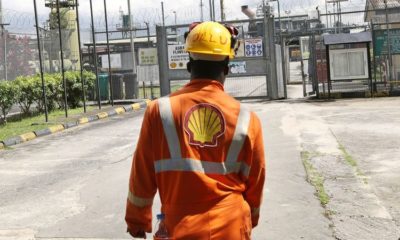
Shell Plc reduced its payments to the Nigerian government by more than 50 percent in 2025 as Brazil emerged as the company’s largest state beneficiary following a strategic shift in upstream operations.

According to disclosures released by the energy giant, total payments made to governments across countries where Shell operates upstream assets declined by 15 percent year-on-year to $23.8 billion in 2025.

Nigeria recorded one of the sharpest declines in the company’s payment structure as remittances to the country fell to about $2 billion during the review period.

The development reflects Shell’s continued withdrawal from Nigeria’s onshore oil operations after years of challenges linked to crude oil theft, pipeline vandalism, operational disruptions and environmental liabilities in the Niger Delta region.

The company has increasingly shifted focus toward offshore and deepwater production assets while reducing exposure to high-risk onshore operations.

Industry analysts said the decline in payments to Nigeria highlights the changing structure of the country’s oil sector as international oil companies continue to divest from legacy onshore assets and redirect capital toward offshore projects with stronger operational stability.

Brazil overtook Nigeria in Shell’s payment rankings due to the company’s growing offshore production activities in the South American country, particularly within its highly productive pre-salt oilfields.

Shell has expanded its Brazilian operations in recent years through new offshore developments and increased output from major deepwater projects, strengthening the country’s contribution to the company’s global upstream earnings.

In Nigeria, Shell recently completed the sale of its onshore subsidiary assets to a consortium of indigenous energy companies as part of a broader restructuring strategy aimed at streamlining its portfolio and reducing operational risk exposure.

Despite the decline in payments, Nigeria remains strategically important to Shell because of its deepwater oil reserves, offshore expansion opportunities and liquefied natural gas operations.

The company continues to maintain interests in key offshore assets including the Bonga oilfield and integrated gas projects linked to Nigeria’s export market.

The latest disclosures underscore the broader transformation taking place within Nigeria’s upstream oil industry as indigenous operators increasingly take control of onshore assets previously managed by international oil majors.

Energy analysts said the reduction in Shell’s payments could also have implications for government revenue generation at a time when Nigeria remains heavily dependent on crude oil earnings to support fiscal operations and foreign exchange inflows.

is the CEO and Founder of Investors King Limited. He is a seasoned foreign exchange research analyst with over 20 years of experience in global financial markets. Olukoya is a published contributor to Yahoo Finance, Business Insider, Nasdaq, Entrepreneur.com, InvestorPlace, and other leading financial platforms. He is widely recognized for his in-depth market analysis, macroeconomic insights, and commitment to financial literacy across emerging economies.

Advertisement