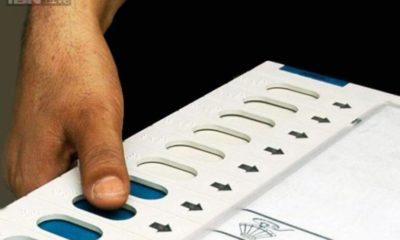
Protesters gathered at Nigeria’s National Assembly on Monday to oppose proposed changes to how election results will be transmitted ahead of the 2027 general elections, raising fresh concerns about transparency and public confidence in the electoral process.
The demonstration followed growing unease among civil society groups and political stakeholders over legislative deliberations surrounding the transmission of polling-unit results to the Independent National Electoral Commission.
Protesters argued that any move perceived as weakening electronic result transmission could reopen avenues for manipulation and undermine democratic credibility.
Chanting slogans and displaying placards demanding that “votes must count,” demonstrators called on lawmakers to clearly protect the use of technology in transmitting election results directly from polling units to central collation systems. They warned that ambiguity in the law could compromise future elections and reverse gains made in recent electoral reforms.
Security operatives were deployed around the National Assembly complex, restricting access and ensuring the protest remained outside the premises.
The gathering was largely peaceful, with organisers insisting the action was aimed at pressuring lawmakers to clarify their position rather than disrupting legislative activities.
At the heart of the protest is the ongoing debate over amendments to Nigeria’s electoral framework, particularly provisions guiding how results are moved from polling units to collation centres.
Protesters insist that electronic transmission should not only be permitted but explicitly safeguarded in law to prevent interference during manual collation.
The controversy reflects lingering distrust following previous elections, where disputes over result handling and delays in electronic uploads fueled litigation and public skepticism.
Activists argue that technology remains the most effective tool for limiting human interference and ensuring real-time accountability.
Several protest leaders warned that failure to address the issue decisively could deepen voter apathy ahead of 2027, especially among young Nigerians who see transparent elections as central to democratic renewal. They urged lawmakers to align legislation with global best practices in election management.
The National Assembly has yet to issue an official response to the protest, though lawmakers are expected to continue deliberations on electoral reforms in the coming weeks.
The final outcome will determine whether electronic result transmission remains firmly embedded in Nigeria’s electoral architecture.
As preparations for the 2027 elections gather momentum, the protest underscores rising public vigilance over electoral integrity and the growing expectation that technology should serve as a safeguard rather than a point of contention in Nigeria’s democracy.