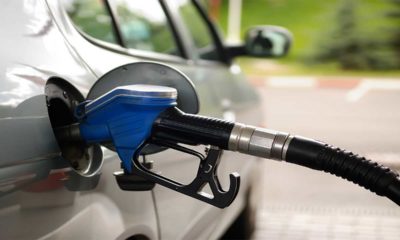
Nigeria recorded an estimated N1.58 trillion in petrol spending during the recent holiday period as increased mobility drove increased fuel consumption.
The surge in spending reflects a sharp increase in intercity and intracity movement as millions of Nigerians travelled for end-of-year celebrations.
Road transport remained the dominant mode of mobility, reinforcing petrol’s central role in household and commercial transportation during peak travel seasons.
The holiday period typically triggers a concentration of travel within a short timeframe, amplifying fuel demand as private vehicles, commercial buses, and logistics operators operate at higher capacity. This pattern once again played out, translating into elevated petrol consumption nationwide.
Beyond personal travel, increased economic activity also contributed to higher fuel usage. Informal trade, retail distribution, and service-related logistics intensified during the festive window, adding to overall petrol demand.
Small businesses dependent on generators and fuel-powered transport further increased consumption as commercial activity peaked.
The scale of spending highlights the structural dependence of Nigeria’s transport system on petrol-powered vehicles. Despite ongoing discussions around alternative transport modes and energy diversification, road-based mobility continues to absorb the bulk of fuel demand, particularly during seasonal travel spikes.
From a macroeconomic standpoint, the N1.58 trillion outlay reflects both volume-driven consumption and prevailing fuel pricing dynamics.
While pump prices have undergone adjustments over the past year, demand during high-mobility periods has remained relatively price inelastic, suggesting that travel needs often override cost considerations during festive seasons.
The spending surge also has implications for fuel supply management. High seasonal demand places pressure on distribution networks, storage capacity, and logistics coordination, especially in regions with limited infrastructure.
Efficient supply chain execution during peak periods remains critical to preventing shortages and price dislocations.
For policymakers, the data reinforces the importance of transport planning and energy efficiency reforms. Heavy reliance on petrol during peak travel seasons exposes the economy to fuel supply shocks and cost volatility.
Expanding mass transit systems, improving rail connectivity, and encouraging alternative energy adoption could gradually reduce pressure on petrol demand.
At the same time, the spending figure points to the resilience of consumer mobility even amid broader economic challenges.
Nigerians continue to prioritise travel and social connectivity during festive periods, sustaining fuel consumption despite cost pressures.
Looking ahead, similar demand patterns are expected during future holiday cycles unless there is a significant shift in transport infrastructure or energy usage.
For now, festive travel remains a major driver of petrol consumption, with the N1.58 trillion spending figure highlighting the enduring role of fuel in Nigeria’s mobility and economic activity.