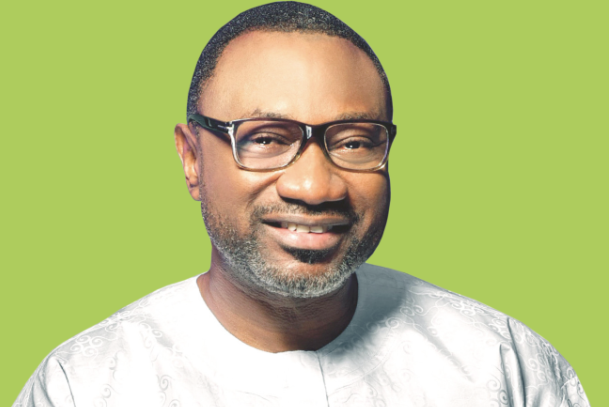
Femi Otedola has urged Nigerian regulators to consider a higher capital threshold for banks operating with international licences.
The Chairman of First HoldCo Plc said the current ₦500 billion minimum set by the Central Bank of Nigeria represents progress but may not be sufficient for lenders expected to finance complex, long-tenor transactions across borders and critical sectors of the economy.
He suggested a ₦1 trillion minimum as a more appropriate benchmark for internationally active banks.
The call comes amid the ongoing banking sector recapitalisation programme launched by the CBN in 2024, the first major capital overhaul in nearly two decades.
The policy requires banks with international licences to meet a ₦500 billion capital base, while national and regional banks face lower thresholds, as regulators seek to strengthen balance sheets, improve shock absorption, and restore confidence in the system.
Otedola linked stronger capital requirements to improved governance outcomes, noting that larger equity bases tend to broaden ownership structures and reduce excessive control by dominant shareholders.
Analysts say higher capital floors could also encourage consolidation, deepen market discipline, and improve risk management across the sector.
The comments followed confirmation that First Bank of Nigeria Limited, the commercial banking subsidiary of First HoldCo, has met the ₦500 billion minimum capital requirement.
The Group said the milestone was achieved through a combination of capital-raising initiatives and portfolio restructuring, positioning the bank to pursue growth opportunities under the new regulatory regime.
From a macroeconomic standpoint, proponents of higher capital thresholds argue that Nigeria’s ambition to scale economic output and attract long-term investment requires banks with the capacity to underwrite infrastructure, energy, manufacturing, and trade finance at scale. Well-capitalised lenders, they say, are better positioned to support long-term credit expansion without compromising stability.
The debate over capital adequacy is unfolding against a backdrop of broader economic reforms under President Bola Tinubu, with the CBN under Governor Yemi Cardoso pursuing tighter monetary discipline, foreign exchange market reforms, and measures aimed at restoring investor confidence.
Market participants note that any move to raise the capital bar further would need to be carefully sequenced to avoid disrupting credit supply or market stability.
However, they also acknowledge that stronger banks could enhance Nigeria’s ability to withstand external shocks and support sustainable growth over the long term.
As the recapitalisation exercise progresses, Otedola’s proposal adds momentum to a growing policy discussion over whether Nigeria’s banking system should move beyond compliance toward a higher capital standard aligned with its long-term economic ambitions.