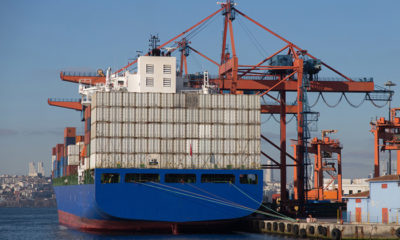
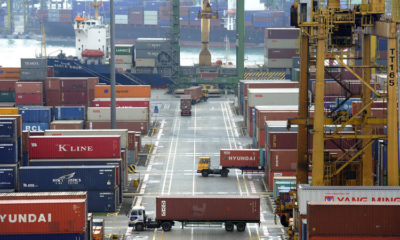
Vehicle imports into Nigeria almost doubled in the first six months of 2025 compared to the same period in 2024, a development linked to improved foreign exchange stability and policy actions by the Central Bank of Nigeria (CBN).
Exclusive terminal data and confirmations from customs stakeholders show that the number of vehicles shipped into the country rose sharply between January and June, supported by a more predictable naira-dollar exchange rate and adjustments to customs duty valuation.
At Ports & Terminal Multipurpose Limited (PTML), over 34,000 vehicles were imported in H1 2025, almost a 90 percent increase when compared to about 18,000 units imported in the same period last year.
Officials disclosed that vessel calls have also spiked with more than 50 ships already received in six months, surpassing the total 2024 figure of 40 vessels.
A similar trend was recorded at Five Star Logistics Terminal, where imports hit 37,000 units by July, already above the 32,000 vehicles handled in the whole of 2024. If the pace is sustained, full-year imports could more than double 2024 volumes.
Forex Stability Restores Importer Confidence
Industry operators attribute the surge to exchange rate stability. The naira recently appreciated to N1,500.91 per dollar at the official market following CBN’s forex interventions, including a $50m liquidity injection and increased foreign portfolio inflows through Open Market Operations.
Importers say the more predictable rate has restored business confidence, enabling better forecasting of costs and long-term planning.
“When the exchange rate fluctuates, it disrupts trade. Now that the naira is more stable, importers are confident enough to make large-scale commitments,” a terminal official explained.
Customs Valuation Method Boosts Clearance
Stakeholders also highlighted the role of the new 846 valuation method in vehicle duty assessment. The system considers depreciation, mileage, and wear-and-tear, reducing inflated duty costs that previously discouraged clearance.
“A car valued at $5,000 last year is not being assessed at the same inflated rate in 2025,” noted Mr. Abayomi Duyile, Apapa Chapter Chairman of the National Council of Managing Directors of Licensed Customs Agents. “This downward review has encouraged more clearance and boosted imports.”
Market Implications
The surge in imports is expected to expand vehicle availability and potentially ease prices in Nigeria’s car market, particularly in the used (Tokunbo) segment that dominates consumer demand.
Analysts, however, caution that sustaining the growth depends on continued forex stability and structural reforms to strengthen non-oil forex inflows.
Economists warn that global crude oil price volatility, domestic inflation, and Nigeria’s dependence on imports could weigh on the sustainability of the current boom.
For now, the data underscores renewed confidence in the economy and a rebound in Nigeria’s automotive trade. With H1 figures already near 100 percent above 2024 levels, the country is on track for one of its strongest years for vehicle imports in recent history.