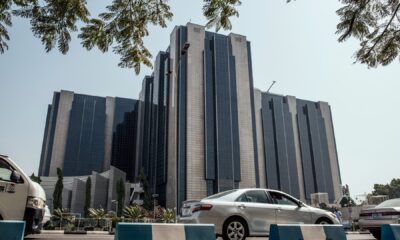
The Central Bank of Nigeria (CBN) is expected to maintain its benchmark interest rate at 27.5% during its third Monetary Policy Committee (MPC) meeting of 2025 as policymakers continue to assess the sustainability of recent inflation moderation and monitor underlying price pressures in the economy.
All seven economists surveyed by Bloomberg forecast no change in the Monetary Policy Rate (MPR) when Governor Olayemi Cardoso delivers the committee’s decision later today in Abuja.
The decision follows the MPC’s aggressive tightening cycle which saw interest rates rise by a cumulative 700 basis points before a pause in May.
Nigeria’s inflation rate declined for a third consecutive month in June to 22.2% following the rebasing of the Consumer Price Index (CPI) by the National Bureau of Statistics (NBS) in January.
However, food inflation and core inflation figures inched upward, raising concerns about the durability of the overall disinflation trend.
“Confidence has improved and the naira has regained ground, which could justify a rate cut,” said Bryan Carter, Head of Emerging Markets Debt at HSBC Global Asset Management. “But the bank will likely hold and wait for more favorable inflation data before cutting.”
The naira has appreciated by approximately 3% against the U.S. dollar since June, supported by improved liquidity in the foreign exchange market and tighter monetary conditions. Despite the currency’s strength, the CBN remains cautious, especially amid growing liquidity levels in the financial system.
Data from the Federation Account Allocation Committee (FAAC) show that federally distributed revenues surged to ₦1.81 trillion in June, up from ₦1.65 trillion in May.
The increase in system liquidity, largely driven by oil receipts and tax collections, is a key consideration for the MPC as it weighs the inflationary implications of higher public spending.
Governor Cardoso has consistently stated that monetary policy discipline is essential to anchoring inflation expectations and sustaining macroeconomic stability.
In previous briefings, he warned that elevated liquidity levels in the banking system, if unchecked, could reaccelerate inflation.
Also, the committee is expected to monitor external developments, including the global impact of U.S. trade policies.
The upcoming August 1 implementation of reciprocal tariffs by the United States could affect international trade flows, investment sentiment, and inflationary trends in emerging markets.
Analysts at Rand Merchant Bank, Oxford Economics, and Bloomberg Economics predict the CBN may consider easing policy at its September meeting, contingent on stronger evidence of declining price pressures.
“Policymakers would prefer to see stronger evidence of a decisive cool-down in price growth before trimming the benchmark interest rate,” said Irmgard Erasmus, Senior Financial Economist at Oxford Economics.
The MPC’s current data-dependent posture suggests that while inflation may be showing early signs of retreat, policymakers remain unconvinced of its sustainability and are not yet ready to pivot to an easing stance.
A statement from the CBN and detailed commentary from Governor Cardoso are expected following the conclusion of the MPC meeting this afternoon.