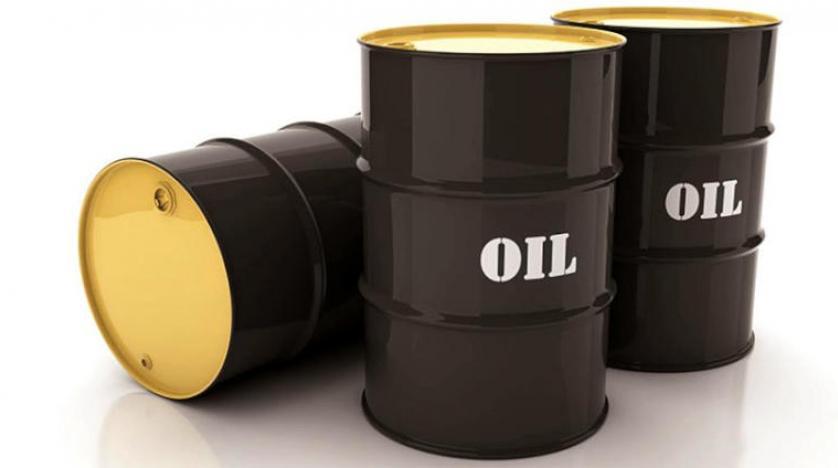
Oil prices rose on Friday as tightening diesel supply in Europe and newly adopted European Union sanctions on Russia supported the crude market despite ongoing concerns over a global stockpile buildup.
Brent crude, the global benchmark for Nigerian oil, rose by 1.5% to close near $70 per barrel on Thursday.
The rally was underpinned by strong summer fuel demand and mounting supply-side risks linked to diesel shortages across major markets including Europe and the United States.
The European Union this week approved its 18th sanctions package targeting Russia over its invasion of Ukraine.
The latest measures include a revised price cap mechanism on Russian crude oil and restrictions on petroleum products refined from Russian feedstock.
A major Indian refinery partially owned by Russia’s state oil company, Rosneft PJSC, was also added to the sanctions list. Europe is a key importer of diesel from India, raising concerns about downstream supply impacts.
“The sanctions package has lifted crude prices on the back of concerns about diesel supplies to Europe,” said Florence Schmit, strategist at Rabobank. “Strength in diesel has been keeping crude prices elevated for the last few weeks.”
Despite signs of global crude inventory accumulation, major financial institutions including Morgan Stanley and Goldman Sachs argue that the buildup has largely occurred in markets that do not influence pricing, helping crude futures maintain their upward trajectory since early May.
“The logic of diesel tightness propping up crude flat prices remains unchanged,” said Huang Wanzhe, analyst at Dadi Futures Co. “The key question is how long this strength can last.”
Crude futures and gasoil contracts remain in backwardation, signaling tighter near-term supply as prompt deliveries command a premium over later-dated contracts amid strong immediate demand.
Meanwhile, UBS analyst Giovanni Staunovo cautioned that the effectiveness of the new sanctions remains uncertain.
“The Indian refinery measure is something new and worth monitoring,” he said. “Adding new tankers of the shadow fleet, as well as the price cap, has not limited Russian exports so far.”
The EU’s revised oil price cap is now set dynamically at 15% below global market rates, replacing the previous fixed $60 per barrel limit and subject to review at least twice a year.
In broader markets, strong U.S. economic data helped boost global risk sentiment, contributing to gains in equities across Asia and supporting commodity prices.
The Organization of the Petroleum Exporting Countries and its allies (OPEC+) have been easing production curbs, though recent data continues to point to constrained diesel supply despite increased crude output.
The cumulative impact of rising seasonal demand, persistent refined fuel tightness, and geopolitical sanctions has provided temporary upside to crude prices, although analysts warn that supply overhang concerns may resurface in the second half of the year.