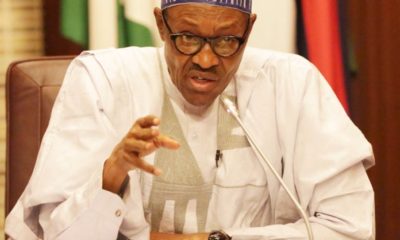
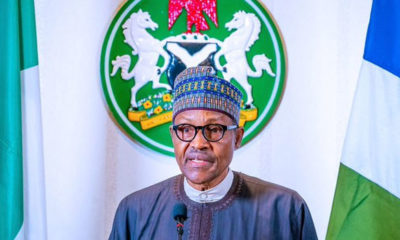
Nigeria’s former President Muhammadu Buhari has died in London at the age of 82.
The news was confirmed on Sunday, July 13, 2025, by his family and spokesperson, Garba Shehu.
Buhari, who had been undergoing medical treatment in the United Kingdom, passed away peacefully at a private medical facility.
Buhari served as Nigeria’s military head of state from 1983 to 1985 and returned to power as a democratically elected president in 2015, serving two terms until 2023.
He became the first opposition candidate in Nigerian history to defeat an incumbent president at the polls.
Garba Shehu, in an official statement, said, “The family of the former president has announced the passing on of Muhammadu Buhari, GCFR, this afternoon in a clinic in London. May Allah accept him in Aljannatul Firdaus, Amin.”
During his administration, Buhari focused heavily on anti-corruption measures, security reforms, and economic diversification.
His government introduced several policies like the Treasury Single Account (TSA), the Whistleblower Policy, and initiatives under the Economic Recovery and Growth Plan (ERGP) aimed at stabilising the Nigerian economy following the 2016 recession.
However, Buhari’s presidency was not without controversy. Critics frequently cited concerns over press freedom, human rights, inflation, rising debt levels and the handling of insecurity across regions.
The administration also faced criticism for delays in economic reforms and an overreliance on foreign loans, particularly from China.
Buhari spent extended periods abroad for medical treatment during his presidency, including over 170 days in London in 2017, sparking national debate about transparency and health disclosures among public officials.
Born in Daura, Katsina State, in 1942, Buhari joined the Nigerian Army at 19 and rose to the rank of Major General.
He came to national prominence following the December 1983 coup that ousted the Shehu Shagari administration.
His military regime was known for its War Against Indiscipline campaign and austere economic policies.
In retirement, Buhari had largely withdrawn from public life, residing in Daura before his most recent medical visit to the UK. His death marks the end of an era for Nigeria’s post-civil war leadership and leaves behind a legacy that remains the subject of significant public debate.
Funeral arrangements and official state honors are expected to be announced by the Presidency in due course.