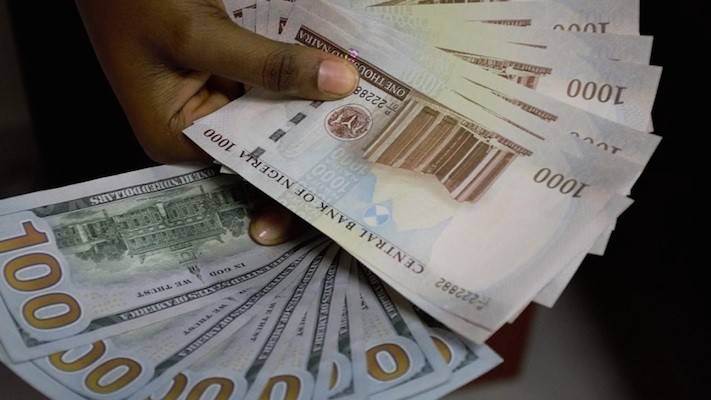
CardinalStone Research has projected that Nigeria’s foreign exchange reserves will close the year at around $41 billion.
In its newly released mid-year economic outlook, the Lagos-based research and investment advisory firm attributed the anticipated reserve growth to planned external loans worth $3.2 billion, which the Federal Government aims to secure in the second half of 2025 to meet fiscal obligations.
Additional capital inflows from portfolio investors are also expected to support the balance and push reserves above the $37.27 billion recorded at the end of June.
According to the firm, a stronger reserve position should help the naira trade within the ₦1,550 to ₦1,635 per US dollar range until the end of 2025, providing relief to businesses and foreign investors monitoring currency stability.
So far this year, Nigeria’s FX reserves have faced pressure due to sizeable debt repayments and ongoing interventions by the Central Bank of Nigeria (CBN) to keep the naira stable in the face of external shocks.
The apex bank has repaid about $2 billion in foreign loans and injected nearly $4.72 billion into the market to tackle liquidity gaps and exchange rate volatility.
Analysts noted that Nigeria’s average monthly dollar sales currently stand at about $786 million — a sharp drop from pre-pandemic levels when the central bank defended the naira with larger interventions despite macroeconomic strains.
Global uncertainties, including geopolitical tensions and new trade barriers in major economies, have triggered outflows as investors moved capital into US government bonds and gold, resulting in FX outflows of about $22.8 billion so far this year.
CardinalStone’s report highlighted that tighter monetary measures and the CBN’s more cautious approach to FX supply are contributing to renewed investor trust in Nigeria’s macroeconomic management.
After hiking the policy rate by 875 basis points to 27.5 percent earlier this year, the CBN has held rates steady for two consecutive meetings to strike a balance between containing inflation and easing borrowing costs for businesses.
The research firm sees room for a slight additional rate increase before year-end if needed.
Despite the more optimistic outlook for reserves and the naira, CardinalStone warned that risks remain, including fluctuations in oil earnings, the pace of fiscal reform, and unpredictable portfolio flows.
Any significant shock in these areas could dampen the country’s reserve build-up and put fresh pressure on the local currency.
The combination of measured FX management, disciplined monetary policy and planned external funding is expected to keep Nigeria’s macroeconomic position relatively stable as policymakers work to rebuild confidence and attract new foreign capital inflows.