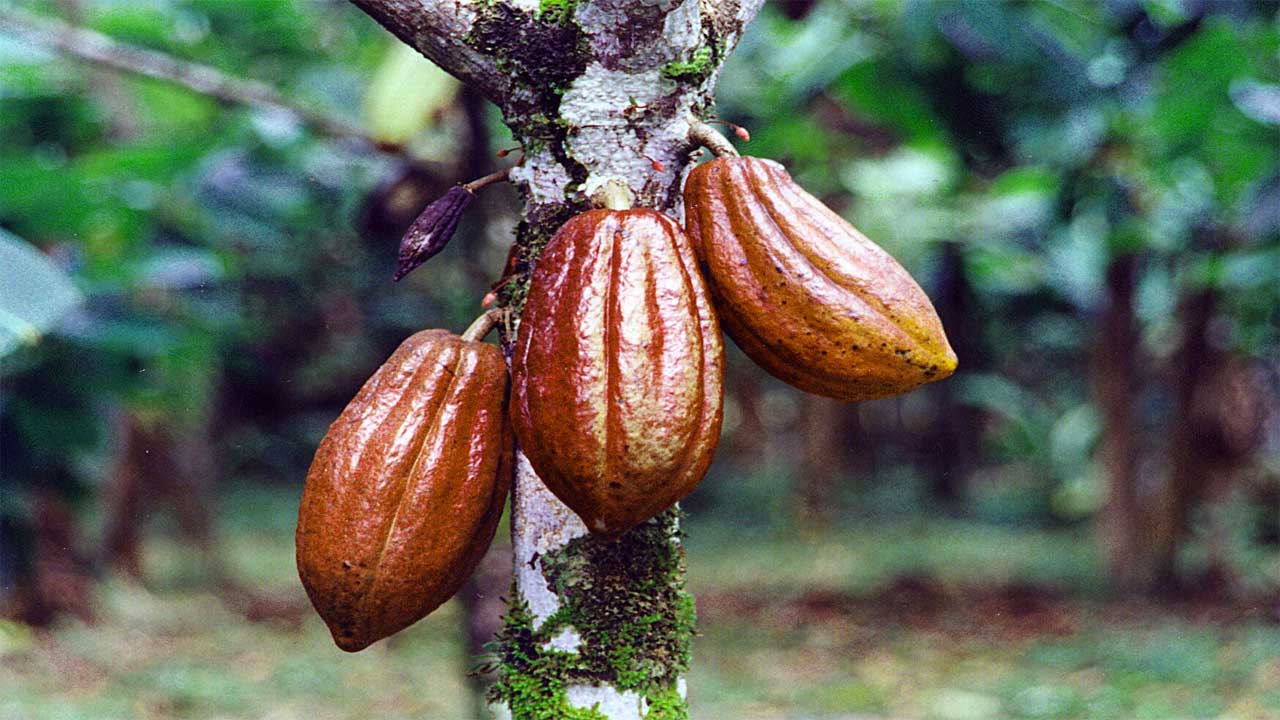
Nigeria’s cocoa production is projected to decline by approximately 10% in the 2025/26 season, according to new estimates from industry analysts tracking West Africa’s key agricultural exports.
The latest forecast places Nigeria alongside other major cocoa-producing countries in the region — Ivory Coast, Ghana, and Cameroon — which are also expected to record lower output next season due to structural issues and environmental challenges.
Sector experts attribute the anticipated decline to a mix of ageing cocoa trees, plant diseases, illegal mining encroachment, and worsening climate conditions.
Analysts warn that many Nigerian cocoa farms are operating with trees that are well past their prime productive years, resulting in lower yields and higher susceptibility to pests and fungal infections.
The lack of large-scale tree replacement initiatives has compounded this decline, despite repeated calls for sector reforms.
In addition, illegal mining activities in cocoa-producing regions have exacerbated land degradation and disrupted traditional farming communities.
The encroachment has further reduced available arable land for cocoa cultivation, heightening risks for smallholder farmers who make up the bulk of Nigeria’s cocoa sector.
Unpredictable weather patterns, including irregular rainfall and rising temperatures, have also added to the strain on yields.
According to experts, these climate-related factors threaten to push farm productivity even lower in the absence of improved adaptation measures and resilient crop varieties.
Nigeria, currently the world’s fourth-largest cocoa producer behind Ivory Coast, Ghana, and Indonesia, remains heavily dependent on cocoa as a source of export earnings and rural employment.
The commodity accounts for about 2% of Nigeria’s total export revenue and provides livelihoods for millions of smallholder farmers across states such as Ondo, Cross River, Ekiti, and Osun.
Industry stakeholders have repeatedly called on the government and private sector players to accelerate interventions aimed at replanting old trees with higher-yielding, disease-resistant varieties. They also stress the need for stricter land governance to curb illegal mining activities that threaten the long-term sustainability of cocoa farmlands.
With global cocoa demand projected to grow steadily — driven by rising consumption in emerging markets — analysts believe Nigeria risks losing competitiveness if it fails to modernise its production processes and invest in value addition.
As the new cocoa season approaches, exporters, traders, and processors will be watching yield trends closely, with concerns that another supply shortfall could tighten the market and drive further price volatility.
Despite the expected dip in production, stakeholders say opportunities remain for Nigeria to reclaim higher output levels if sector-wide challenges are addressed through coordinated policy action, investment in extension services, and stronger support for local farmers.