Nigeria could face renewed export pressures after United States President Donald Trump announced plans to impose an additional 10% tariff on countries he claims are aligning with the BRICS bloc’s “anti-American” policies.
The move, unveiled over the weekend on Trump’s official channels, targets both core BRICS members — Brazil, Russia, India, China, and South Africa — as well as affiliated countries and trade partners perceived to support the group’s push for greater economic independence from Washington.
Nigeria, Africa’s largest economy, has maintained observer status and active engagement with BRICS+ talks in recent years, citing trade diversification and currency cooperation as key drivers for strengthening ties with the emerging market coalition.
While the administration has yet to confirm specific country lists, analysts say Nigeria’s growing economic collaboration with China and Russia, coupled with its recent signals to boost bilateral trade with India and South Africa, could put it squarely in Washington’s crosshairs.
Potential Impact on Non-Oil Exports
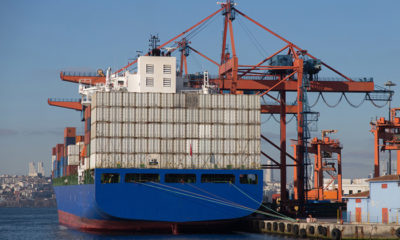
If implemented, the proposed tariff could hit Nigeria’s non-oil exports to the U.S., already constrained by competitiveness and logistics challenges. Processed agricultural products, solid minerals, textiles, and chemicals are among the key categories that could see margins shrink if a higher import duty takes effect.
“The timing couldn’t be worse for Nigerian exporters who are only beginning to regain ground post-pandemic,” said a Lagos-based trade consultant who asked not to be named. “A higher tariff regime would complicate market access for small and medium exporters and increase compliance costs.”
Diversification Gains at Risk
The fresh tariff threat comes as Nigeria works to reposition its export base beyond crude oil. Official data shows oil still accounts for over 80% of export revenue, despite successive administrations touting diversification as a pathway to sustainable growth and foreign exchange stability.
An additional 10% tariff could dampen investor confidence in the viability of non-oil exports to North America, analysts warn, pushing local producers to redirect shipments to other markets in Europe, Asia, or within the African Continental Free Trade Area (AfCFTA).
Government Yet to Respond
So far, Nigeria’s trade and foreign affairs ministries have not issued an official statement on Trump’s announcement. Diplomats are expected to seek clarifications through Washington’s trade office in the coming days.
Trade experts argue that any escalation could test Nigeria’s longstanding balance between engaging emerging economic blocs and preserving preferential access to the U.S. market under existing frameworks such as the African Growth and Opportunity Act (AGOA).
Global Trade Tensions Resurface
Trump’s renewed tariff posture is part of a broader pledge to overhaul U.S. trade policy if re-elected, targeting countries and blocs he claims undermine American competitiveness. The additional tariff is expected to take effect from August 1, according to administration sources, unless affected countries reach exemptions or policy concessions.
The news rattled global markets on Monday, adding to volatility already driven by softening oil prices and shifting OPEC+ output strategies.
For Nigeria, the coming weeks will be crucial as policymakers weigh diplomatic engagement, potential countermeasures, and alternative export pathways to cushion the impact if the tariff is enforced.